
Facebook advertising is Meta's paid marketing platform that lets businesses show targeted ads to users across Facebook, Instagram, and other Meta properties. This powerful tool helps business owners, marketers, and entrepreneurs reach their ideal customers with precision and scale.
If you're new to Facebook ads or want to improve your current campaigns, this guide breaks down everything you need to know. We'll walk you through the different campaign types and ad formats available, so you can pick the right approach for your goals. You'll also learn how Facebook's auction system works behind the scenes and discover advanced targeting strategies that can dramatically improve your results.
Understanding Facebook Advertising Platform
Key Features That Drive Business Growth
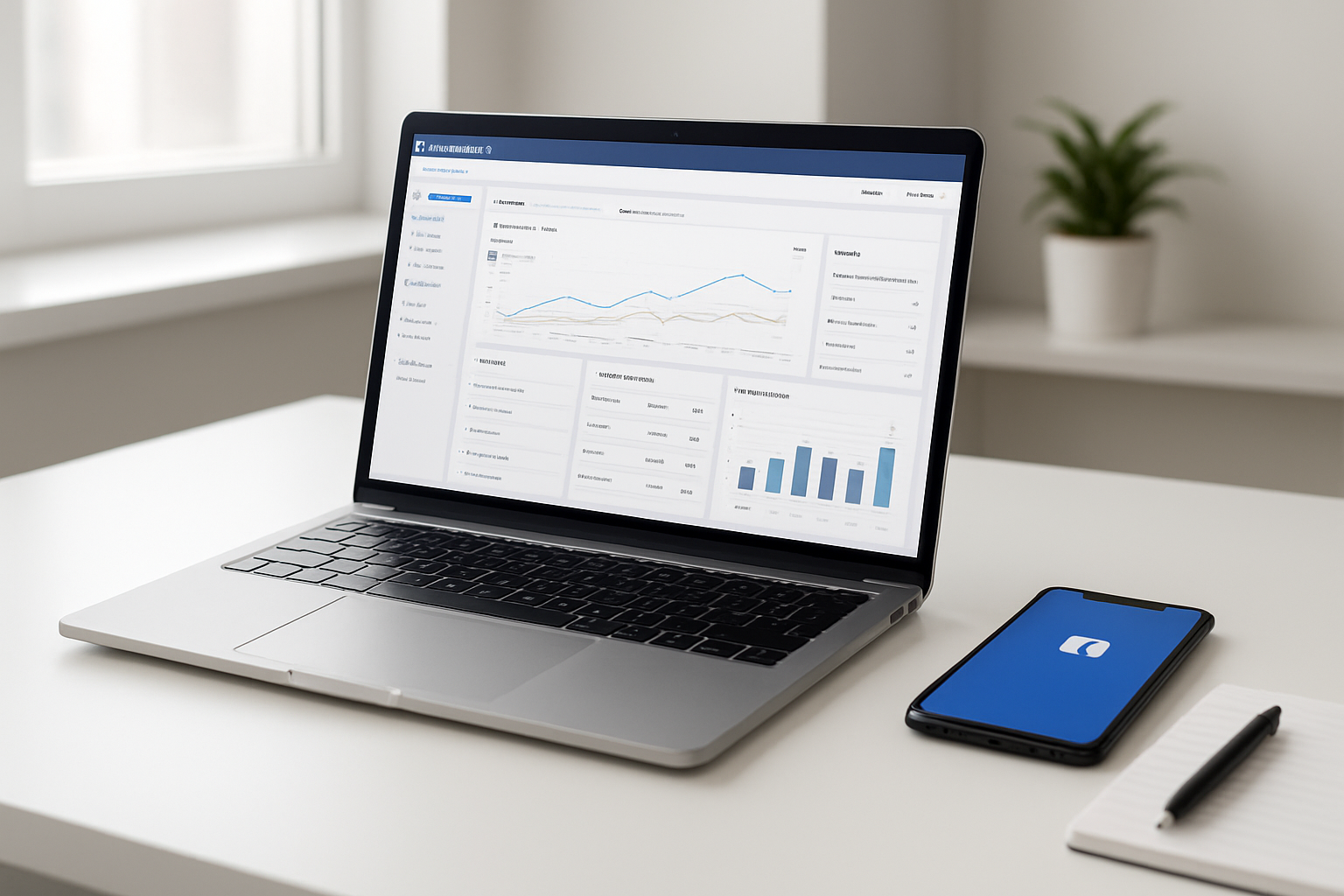
Facebook's advertising platform offers a comprehensive suite of tools designed to help businesses reach their marketing objectives efficiently. The platform's sophisticated algorithm learns from user behavior patterns, enabling businesses to deliver highly relevant ads to people most likely to engage with their content.
The Custom Audiences feature allows businesses to reconnect with existing customers by uploading email lists, phone numbers, or website visitor data. This creates opportunities for retargeting campaigns that typically deliver higher conversion rates than cold audience targeting. Lookalike Audiences expand this capability by finding new potential customers who share similar characteristics with your best existing customers.
Dynamic ads automatically showcase relevant products to people who have expressed interest in your business, website, app, or elsewhere on the internet. This automation saves time while personalizing the shopping experience for each individual user. The Facebook Pixel tracking code provides detailed insights into customer behavior across your website, enabling precise measurement of ad performance and optimization opportunities.
The platform's A/B testing capabilities let businesses experiment with different ad creatives, audiences, and placements simultaneously. This data-driven approach helps identify the most effective combinations for maximizing return on investment.
Target Audience Reach and Demographics
Facebook's massive user base spans across multiple platforms, including Facebook, Instagram, Messenger, and WhatsApp, reaching over 3 billion people globally. This extensive reach provides businesses with access to diverse demographic groups across different age ranges, geographic locations, and interest categories.
The platform excels at detailed demographic targeting, allowing advertisers to narrow their focus based on age, gender, location, education level, relationship status, job title, and income brackets. Interest-based targeting goes deeper, identifying users based on their activities, pages they like, apps they use, and content they engage with regularly.
Behavioral targeting analyzes user actions such as purchase history, device usage patterns, and travel preferences. Geographic targeting ranges from broad country-level campaigns to hyper-local neighborhood targeting, making it valuable for both global brands and local businesses.
Real-time audience insights provide demographic breakdowns showing how your ads perform across different user segments. This information helps refine targeting strategies and budget allocation decisions for future campaigns.
Cost-Effective Marketing Solution Benefits
Facebook advertising operates on a flexible bidding system that accommodates businesses of all sizes and budgets. Unlike traditional advertising channels that require substantial minimum investments, Facebook allows businesses to start with budgets as low as a few dollars per day.
The pay-per-result model means businesses only pay when users take desired actions, whether that's clicks, impressions, conversions, or other specified objectives. This performance-based approach provides better cost control compared to traditional advertising methods where you pay regardless of results.
Detailed cost breakdowns show exactly how budget is allocated across different ad sets and campaigns. The platform's automatic bidding optimizes spending to achieve the lowest cost per result, while manual bidding gives experienced advertisers complete control over their bids.
Budget flexibility allows for quick adjustments based on campaign performance. Businesses can increase spending on high-performing ads instantly or pause underperforming campaigns to prevent budget waste. The platform's learning phase helps optimize delivery over time, often reducing costs as campaigns gather more data.
Integration with Business Marketing Strategy
Facebook advertising integrates seamlessly with broader marketing strategies through cross-platform campaign coordination and comprehensive analytics. The platform connects with popular email marketing tools, customer relationship management systems, and e-commerce platforms, creating a unified marketing ecosystem.
Campaign objectives align with different stages of the customer journey, from brand awareness and consideration to conversion and retention. This flexibility allows businesses to create cohesive campaigns that guide prospects through the entire sales funnel using coordinated messaging across touchpoints.
The Facebook Business Manager centralizes campaign management, audience data, and performance metrics in one dashboard. This consolidation simplifies collaboration between team members and external agencies while maintaining control over brand assets and advertising permissions.
Attribution reporting tracks customer interactions across multiple touchpoints, providing insights into how Facebook ads contribute to overall marketing success. This data helps businesses allocate budgets more effectively across different marketing channels and optimize their complete marketing mix for maximum impact.
Facebook Advertising Campaign Types and Formats
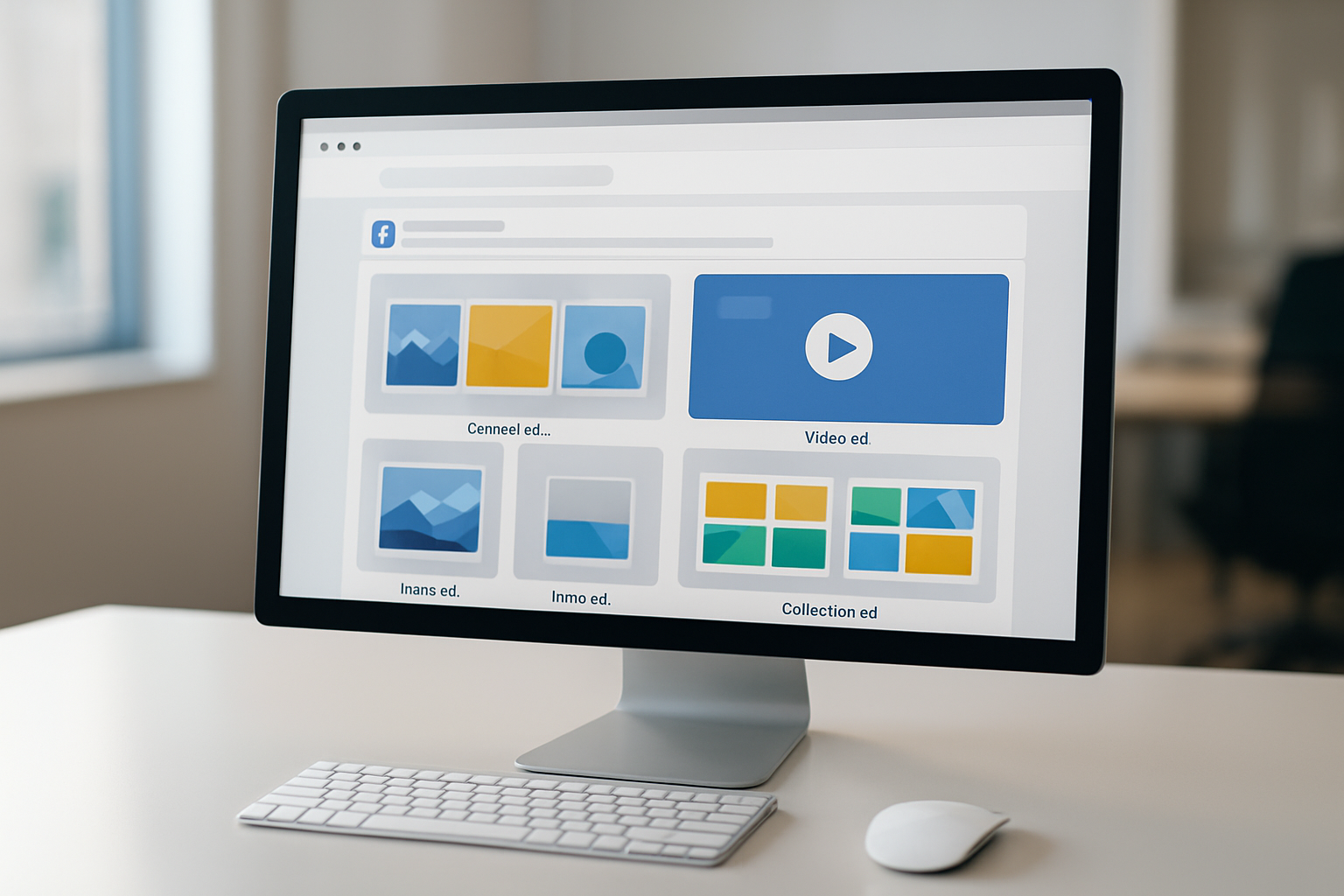
Image and Video Ad Formats for Maximum Impact
Visual content drives engagement on Facebook, making image and video ads your primary weapons for capturing attention. Single image ads work best when showcasing products, sharing quotes, or highlighting key messages with minimal text overlay. Facebook's 20% text rule has relaxed, but clean visuals still perform better than cluttered designs.
Video ads dominate the platform's algorithm preferences. Short-form videos (15-30 seconds) excel at grabbing attention in news feeds, while longer formats work for educational content or product demonstrations. Square and vertical video formats optimize mobile viewing, where 98% of Facebook users browse. Auto-play with captions ensures your message reaches users scrolling silently.
Stories ads offer full-screen real estate for immersive experiences. These 15-second vertical ads feel native to user behavior and achieve higher completion rates than traditional placements. Instagram Stories integration expands your reach across Meta's ecosystem.
Testing different visual formats reveals what resonates with your audience. A/B test static images against videos, compare landscape versus square dimensions, and experiment with user-generated content versus professional photography. High-quality visuals that match your brand aesthetic while standing out in crowded feeds deliver the best performance.
Carousel and Collection Ads for Product Showcases
Carousel ads display multiple products or features within a single advertisement, allowing users to swipe through up to 10 images or videos. Each card can link to different landing pages, making them perfect for e-commerce businesses showcasing product catalogs or highlighting various service offerings.
Collection ads create mini-storefronts directly within Facebook. These ads feature a primary video or image with multiple product images below, enabling users to browse without leaving the platform. When someone taps a product, they enter an instant experience that loads quickly and keeps users engaged within Facebook's ecosystem.
Both formats excel at telling visual stories. Use carousel ads to show product variations, step-by-step processes, or before-and-after transformations. Collection ads work brilliantly for lifestyle brands, travel companies, and any business where visual appeal drives purchasing decisions.
Dynamic product ads automatically populate carousel and collection formats with your catalog items, showing users products they've viewed on your website or similar items. This automation saves time while personalizing the shopping experience based on user behavior and preferences.
Lead Generation and Conversion-Focused Campaigns
Lead generation campaigns capture customer information directly on Facebook without sending users to external landing pages. Instant Forms pre-populate with user data from Facebook profiles, reducing friction and increasing completion rates. These forms integrate with CRM systems, email marketing platforms, and other business tools for seamless lead management.
Conversion campaigns optimize for specific actions on your website, app, or offline events. Facebook's Conversions API tracks customer actions that standard pixel tracking might miss, providing more accurate attribution and better optimization. This improved data helps Facebook's algorithm find users most likely to complete your desired actions.
Messenger ads open conversations between businesses and potential customers. These ads can qualify leads through automated chatbots before connecting them with sales representatives. The conversational format feels personal and builds trust while gathering valuable customer insights.
Event promotion campaigns drive registrations for webinars, workshops, local events, or virtual experiences. Facebook's event tools allow users to express interest or confirm attendance, creating social proof that encourages others to participate. Integration with calendar applications makes it easy for users to remember and attend your events.
Brand Awareness and Engagement Campaigns
Brand awareness campaigns reach users most likely to remember your advertisements. Facebook's algorithm optimizes for people who typically engage with and recall branded content, expanding your reach among quality audiences rather than maximizing volume alone.
Engagement campaigns boost interactions with your posts, pages, or events. These campaigns work well for building community around your brand, increasing social proof through likes and comments, and improving organic reach through Facebook's engagement signals.
Video view campaigns specifically target users likely to watch your videos. With flexible duration options from 3-second views to complete watches, you can optimize for brand exposure or deeper engagement depending on your content strategy.
Page promotion campaigns grow your follower base with users interested in ongoing updates from your business. Quality followers engage with future organic content and become candidates for retargeting campaigns. Focus on followers who match your ideal customer profile rather than pursuing vanity metrics.
Post engagement campaigns amplify your best-performing organic content to wider audiences. This approach leverages content that already resonates with your current followers while introducing your brand to similar users who might become customers or advocates.
Retargeting and Lookalike Audience Options
Website retargeting reaches users who visited your site but didn't complete desired actions. Create audiences based on specific pages visited, time spent browsing, or shopping cart abandonment. Dynamic retargeting shows users exact products they viewed, significantly improving conversion rates compared to generic advertisements.
Lookalike audiences find new customers similar to your existing ones. Upload customer lists, website visitors, or engaged social media followers to create source audiences. Facebook identifies common characteristics and finds similar users who don't know your brand yet. Start with 1% lookalikes for closest matches, then expand to larger percentages for broader reach.
Custom audiences from customer data enable precise targeting based on email lists, phone numbers, or user IDs. This approach reconnects with existing customers for repeat purchases, upsells, or loyalty programs. Exclude these audiences from prospecting campaigns to avoid wasting budget on existing customers.
Engagement retargeting targets users who interacted with your Facebook or Instagram content, watched videos, or visited your profile. These warm audiences often convert better than cold prospects since they've already shown interest in your brand. Layer multiple engagement criteria to create highly qualified audience segments that drive efficient campaign performance.
Setting Up Your First Facebook Ad Campaign
Creating Your Facebook Business Manager Account
Getting started with Facebook advertising requires setting up a Business Manager account, which serves as your central hub for managing all advertising activities. Business Manager separates your personal Facebook profile from your business operations, providing better security and organization for your marketing efforts.
To create your account, visit business.facebook.com and click "Create Account." You'll need to provide your business name, your name, and business email address. Facebook will verify your business information, so ensure accuracy during this step. Once verified, you can add your Facebook page and Instagram account to the Business Manager.
The platform allows you to manage multiple ad accounts, pages, and team members from one dashboard. You can assign different permission levels to team members, controlling who can view, edit, or manage various aspects of your advertising campaigns. This feature proves invaluable when working with agencies or multiple team members on your marketing initiatives.
Defining Campaign Objectives and Goals
Facebook's advertising system revolves around campaign objectives that align with specific business goals. The platform offers three main categories: Awareness, Consideration, and Conversion. Each category contains multiple objectives tailored to different marketing outcomes.
Awareness objectives include Brand Awareness and Reach, designed to introduce your business to new audiences. Consideration objectives encompass Traffic, Engagement, App Installs, Video Views, Lead Generation, and Messages, focusing on generating interest and interaction. Conversion objectives feature Conversions, Catalog Sales, and Store Traffic, aimed at driving specific actions like purchases or store visits.
Selecting the right objective directly impacts how Facebook optimizes your ad delivery and determines available features. For instance, choosing "Conversions" unlocks pixel tracking and lookalike audience creation, while "Engagement" optimizes for likes, comments, and shares. Your objective should match your primary business goal for each campaign, whether that's building brand awareness, generating leads, or driving sales.
Budget Allocation and Bidding Strategies
Facebook offers two budget options: daily budgets and lifetime budgets. Daily budgets control average daily spending, while lifetime budgets distribute your total budget across the entire campaign duration. Daily budgets provide more predictable spending patterns, whereas lifetime budgets allow Facebook greater flexibility in optimizing ad delivery during peak performance periods.
Bidding strategies determine how much you're willing to pay for desired actions. Lowest cost bidding automatically finds the cheapest opportunities for your objective, making it ideal for beginners. Cost cap bidding sets a maximum cost per action while maintaining volume. Bid cap places a ceiling on individual auction bids, offering more control but potentially limiting reach.
| Bidding Strategy | Best For | Control Level | Recommended Budget |
|---|---|---|---|
| Lowest Cost | Beginners, testing | Low | Any |
| Cost Cap | Scaling campaigns | Medium | $50+/day |
| Bid Cap | Advanced users | High | $100+/day |
Start with modest daily budgets ($10-20) when testing new campaigns, then scale successful ads by increasing budgets gradually. Facebook's learning phase requires approximately 50 optimization events per week, so budget accordingly to gather sufficient data for effective optimization.
Advanced Targeting Options for Better Results
Demographic and Geographic Targeting Methods
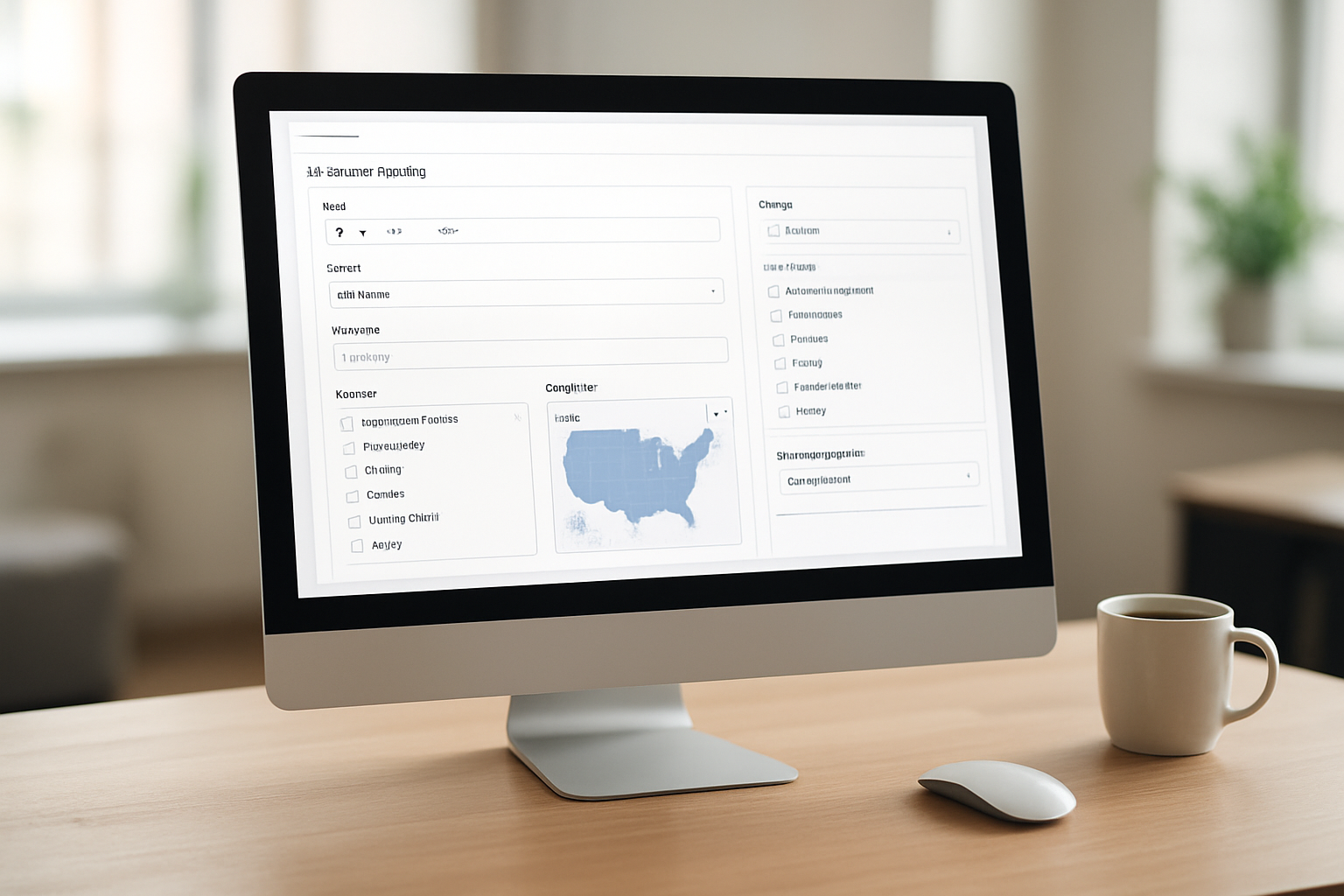
Facebook's demographic targeting lets you reach people based on age, gender, education level, relationship status, and job titles. You can target college graduates working in specific industries or narrow down to parents with children in certain age ranges. Geographic targeting goes beyond just selecting countries or states - you can target people within a specific radius of your business location, or even exclude areas where you don't offer services.
Location targeting also includes options for reaching people who live in an area versus those just visiting. This distinction matters significantly if you're running a local restaurant campaign versus promoting a tourist attraction. You can also target based on recent location history, catching people who've visited competitor locations or relevant venues.
Interest-Based and Behavioral Targeting
Interest targeting taps into the vast amount of data Facebook collects about user interactions, liked pages, and engagement patterns. You can target people interested in specific hobbies, brands, or activities. Behavioral targeting goes deeper, focusing on purchasing behavior, device usage, and travel patterns.
Facebook's behavioral categories include recent purchase activity, frequent travelers, and people who engage with small businesses. You can combine interests with behaviors to create highly specific audience segments. For example, targeting fitness enthusiasts who also show purchasing behavior for athletic equipment creates a more qualified audience than targeting either factor alone.
Custom Audiences from Your Existing Customer Data
Custom audiences allow you to upload your customer data - email lists, phone numbers, or website visitor information - to create targeted campaigns for existing relationships. Facebook matches your data with user profiles, letting you reach current customers with retention campaigns or exclude them from acquisition efforts.
Website custom audiences track visitor behavior through the Facebook pixel, enabling retargeting based on specific pages visited or actions taken. You can create audiences of people who viewed product pages but didn't purchase, or segment customers by purchase value for tailored messaging.
Lookalike Audiences for Expanding Reach
Lookalike audiences help you find new customers who share characteristics with your best existing customers. Facebook analyzes your source audience - whether from customer lists, website visitors, or engaged users - and identifies people with similar demographics, interests, and behaviors.
You can control the similarity level by adjusting the audience size percentage. A 1% lookalike audience represents the closest matches to your source data, while a 10% audience casts a wider net with less similarity but greater reach. Testing different percentage levels helps balance precision with scale for your specific goals.
Facebook Ad Auction System Mechanics
How Facebook Determines Ad Placement
Facebook's ad placement system works like a sophisticated real-time auction that happens millions of times per second. Every time someone opens their Facebook feed, Messenger, or Instagram, the platform instantly evaluates all available ads and decides which ones to show.
The system considers three main factors when determining ad placement. First is your bid amount - how much you're willing to pay for your desired action, whether that's clicks, impressions, or conversions. Second is the estimated action rate, which predicts how likely users are to engage with your ad based on historical data. Third is ad quality and relevance, measured through user feedback and engagement signals.
Facebook doesn't simply award placement to the highest bidder. An ad with a lower bid can beat a higher bid if it has better quality scores and higher predicted engagement rates. This creates a balanced ecosystem where creative, relevant ads can compete effectively against bigger advertising budgets.
The platform also considers user experience heavily in placement decisions. Ads that receive negative feedback, hide requests, or low engagement rates will see their reach decrease over time, regardless of bid amount. This self-regulating mechanism ensures users see ads they find valuable while maintaining platform engagement.
Quality Score and Relevance Factors
Facebook's quality scoring system evaluates ads across multiple dimensions to ensure users see relevant, engaging content. The primary components include relevance score, quality ranking, and engagement rate ranking.
Relevance score measures how well your ad matches your target audience's interests and behaviors. Facebook analyzes user interactions, demographic data, and interest signals to determine this match. Ads targeting specific interests with highly relevant content consistently score higher than generic, broad-targeted campaigns.
Quality ranking examines the overall user experience your ad provides. This includes factors like landing page load speed, mobile optimization, and content accuracy. Misleading headlines, broken links, or poor mobile experiences directly hurt your quality ranking and increase your advertising costs.
Engagement rate ranking compares your ad's expected engagement against other ads targeting similar audiences. Facebook tracks metrics like click-through rates, comment rates, share rates, and time spent viewing your ad. Higher engagement signals tell Facebook that users find your content valuable.
| Quality Factor | Impact on Performance | Optimization Tips |
|---|---|---|
| Relevance Score | Direct cost reduction | Match ad content to audience interests |
| Quality Ranking | Improved reach efficiency | Optimize landing pages and load times |
| Engagement Ranking | Better placement priority | Create compelling visuals and copy |
Bidding Strategies That Maximize ROI
Choosing the right bidding strategy can make or break your Facebook advertising ROI. Facebook offers several bidding options, each suited for different campaign goals and experience levels.
Automatic bidding works well for beginners and campaigns focused on learning audience behavior. Facebook's algorithm automatically adjusts bids to get the most results within your budget. This strategy works particularly well when you have sufficient conversion data for the algorithm to optimize effectively.
Manual bidding gives experienced advertisers precise control over costs. You set maximum bids for your desired actions, allowing better budget control and cost predictability. This approach works best when you know your target cost per acquisition and have historical performance data to guide bid amounts.
Cost cap bidding helps maintain consistent acquisition costs while allowing Facebook flexibility to optimize delivery. You set a maximum cost per result, and Facebook adjusts bids automatically to stay within that range. This strategy balances control with algorithmic optimization.
Bid cap strategy sets strict limits on individual auction bids, preventing overspending on expensive placements. While this can limit reach, it ensures cost control for budget-conscious campaigns.
Start with automatic bidding to gather performance data, then transition to manual or cost cap strategies as you understand your audience's value and behavior patterns better.
Measuring Success and Optimizing Performance
Key Performance Indicators to Track
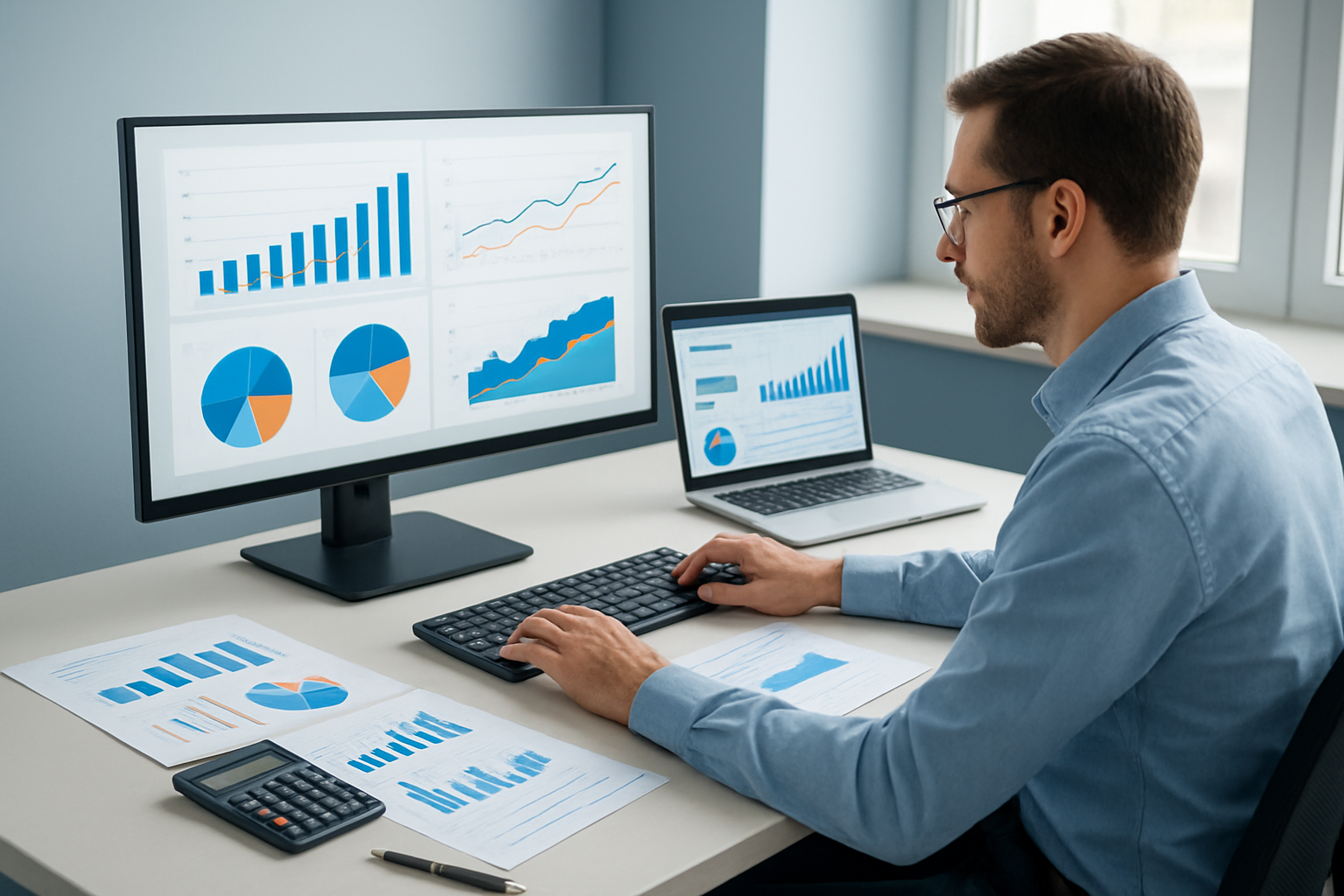
Facebook advertising success depends on monitoring the right metrics that align with your business goals. Return on Ad Spend (ROAS) stands as the most critical metric, measuring how much revenue you generate for every dollar spent. A healthy ROAS typically ranges from 3:1 to 5:1, though this varies by industry.
Click-through Rate (CTR) reveals how compelling your ad creative and targeting are. Average CTRs hover around 0.9% across all industries, but top performers achieve 2-3% or higher. Low CTRs often signal poor audience targeting or weak creative elements.
Cost Per Click (CPC) and Cost Per Acquisition (CPA) help you understand efficiency. While CPC shows immediate engagement costs, CPA reveals the true cost of converting prospects into customers. Track both to identify optimization opportunities.
Frequency prevents ad fatigue by showing how often users see your ads. Keep frequency below 3 to maintain engagement and avoid annoying your audience. Higher frequencies usually correlate with declining performance and increased costs.
Conversion Rate measures how well your landing page converts traffic from Facebook ads. This metric bridges the gap between advertising performance and website effectiveness, helping identify whether issues stem from poor targeting or weak post-click experiences.
Facebook Analytics and Reporting Tools
Facebook Ads Manager serves as your primary dashboard for campaign performance. The platform offers customizable columns, allowing you to display metrics that matter most to your business. Create custom reports by selecting relevant date ranges, campaign objectives, and breakdowns.
Facebook Analytics provides deeper audience insights, showing user behavior patterns across your entire Facebook presence. This tool reveals demographic trends, peak engagement times, and customer journey paths that inform future campaign strategies.
Attribution Windows let you track conversions across different timeframes. The default 1-day view, 7-day click setting captures most immediate conversions, while longer windows reveal delayed purchase decisions. E-commerce businesses often benefit from extended attribution windows.
Breakdown Reports segment performance by demographics, placements, and devices. These reports uncover hidden patterns - perhaps your ads perform better on mobile devices or with specific age groups. Use this data to refine targeting and budget allocation.
Custom Conversions track specific actions beyond standard events. Set up custom conversions for newsletter signups, video completions, or page visits to measure micro-conversions that lead to sales.
A/B Testing for Continuous Improvement
Split testing removes guesswork from Facebook advertising by comparing different ad elements systematically. Start with single-variable tests to isolate what drives performance changes. Test one element at a time - headlines, images, audiences, or call-to-action buttons.
Creative Testing often yields the biggest performance improvements. Test different image styles, video lengths, and ad copy approaches. Carousel ads might outperform single images for product catalogs, while video content could drive higher engagement for service-based businesses.
Audience Testing compares lookalike audiences against interest-based targeting or broad audiences. Create multiple ad sets with identical creative but different audience segments. Allocate equal budgets initially, then shift spending toward winning audiences.
Placement Testing determines which Facebook properties deliver the best results. Instagram Stories might generate cheaper clicks than Facebook News Feed, or Messenger ads could drive higher conversion rates for your specific audience.
Timing Tests reveal optimal posting schedules. Run identical campaigns at different times and days to identify when your audience is most responsive. B2B companies often see better results during weekdays, while consumer brands might perform better on weekends.
Scaling Successful Campaigns for Growth
Vertical Scaling increases budgets on winning campaigns gradually. Avoid sudden budget jumps that can disrupt Facebook's algorithm. Increase daily budgets by 20-50% every few days while monitoring performance stability.
Horizontal Scaling duplicates successful campaigns with slight variations. Create new campaigns targeting similar audiences or expand to additional geographic regions. This approach maintains performance while reaching broader audiences.
Lookalike Audience Expansion leverages your best customers to find similar prospects. Start with 1% lookalike audiences for precision, then test 2-5% audiences for broader reach. Update your source audiences regularly as you acquire more high-value customers.
Creative Rotation prevents ad fatigue during scaling. Develop multiple ad variations and rotate them regularly. Fresh creative maintains engagement rates and prevents declining performance as you increase reach.
Budget Distribution across multiple campaigns reduces risk and maximizes opportunities. Don't put all your budget into one campaign, even if it's performing well. Diversify across different audiences, placements, and objectives to maintain stable results while scaling.
Facebook advertising gives businesses incredible power to reach exactly the right people at the right time. From understanding the platform basics to mastering advanced targeting options, you now have the tools to create campaigns that actually work. The auction system might seem complex, but once you grasp how it prioritizes relevance and user experience, you can make smarter bidding decisions that stretch your budget further.
The real magic happens when you combine all these pieces - choosing the right campaign type, nailing your targeting, and constantly measuring what works. Don't expect perfection from day one. Start with simple campaigns, test different approaches, and pay attention to your data. Facebook's advertising platform rewards those who create genuine value for users, so focus on making ads people actually want to see. Jump in, start experimenting, and remember that every successful advertiser started exactly where you are now.
0 Comments